







Search Results for: soluble substances
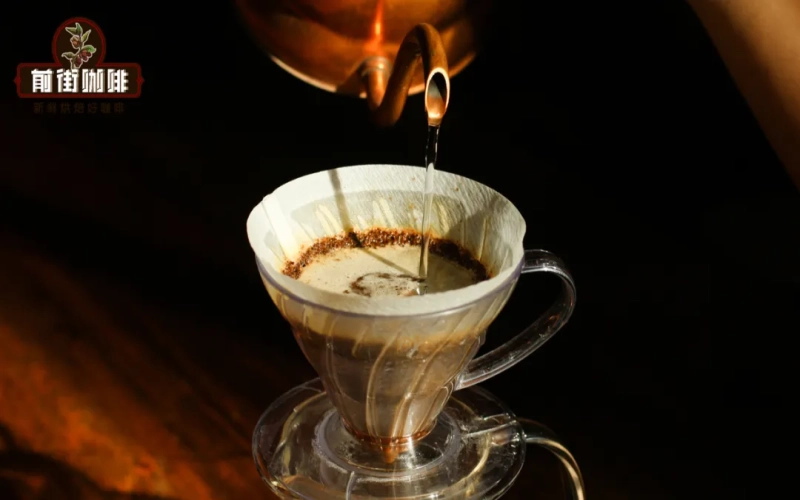
Can coffee grounds be brewed a second time? Analyzing why coffee, unlike tea leaves, cannot be repeatedly re-steeped from the perspective of extraction yield and flavor balance
A friend once asked while buying beans at the Front Street store: can coffee grounds that have already been brewed once be used again for a second cup? Some bloggers online have also demonstrated that a second brew can still yield decent flavor. From a practical standpoint, of course coffee grounds can be brewed again—even a third or fourth time. But "can be brewed" and "tastes good" are two entirely different matters. This article starts from actual tests on Front Street's Sidra, and combines the proportion of soluble matter, extraction yield control, and the differences in dissolution rates of acidity, sweetness, and bitterness to explain why coffee is usually brewed only once, and the fundamental reasons why a second brew tastes thin and lacks layering, before offering a conclusion that better suits the general palate. [more…]

How Many Times Can You Actually Rebrew Drip Bag Coffee? Explaining the Fundamental Difference Between Coffee and Tea in Extraction Cycles
Drip bag coffee, with its convenience and high cost-effectiveness, is attracting more and more beginners to the fold. But many friends who are new to coffee often wonder: how many times can one drip bag actually be brewed? Why can tea leaves be steeped repeatedly, while coffee is usually extracted only once? This article starts with the composition of soluble substances in coffee beans, focuses on analyzing the role of chlorogenic acid in the extraction process, explains why coffee is not suitable for multiple brews, and also touches on why a second pour is not recommended after a regular brew. It also compiles Front Street Coffee's drip bag recommendations for different tastes, for everyone's reference when choosing. [more…]
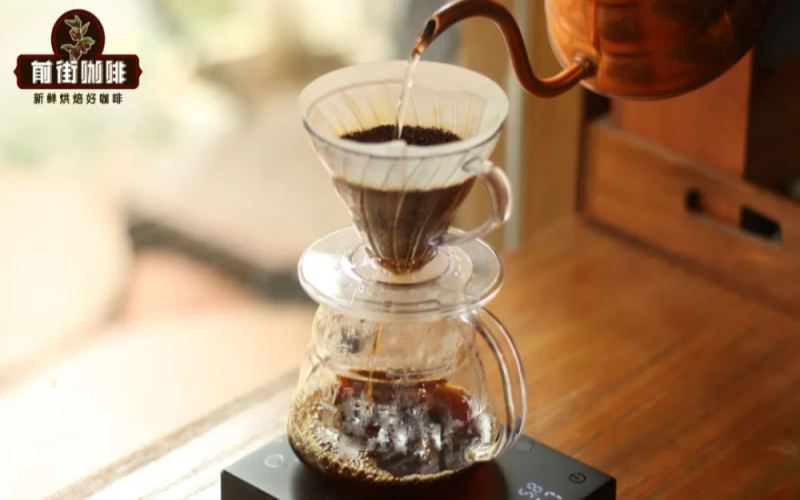
The Origin and Calculation Method of the Golden Cup Extraction Standard: How Extraction Yield and Strength Define a Good Cup of Coffee
The Golden Cup extraction is a widely circulated concept in the coffee world, defining an extraction range that most people find acceptable. This concept originated from a large-scale preference survey in the United States in the 20th century, promoted by the Brewing Committee established by the American Coffee Association in collaboration with Dr. Lockhart of the Massachusetts Institute of Technology. The survey found that about 30% of coffee beans are soluble substances, while the remaining 70% are insoluble fibers. After two rounds of testing with ordinary people and coffee experts, the Golden Cup range was ultimately determined as an extraction yield of 18% to 22% and a concentration of 1.15% to 1.35%. This article will sort out the origins and development of the Golden Cup standard, the calculation methods for extraction yield and concentration, and explain why the Golden Cup range can only serve as a reference rather than an absolute standard, helping you view coffee extraction more rationally. [more…]

How should espresso be tasted? Breaking down the flavor code of Italian coffee, from crema and coffee oils to solubles
Many people, when first encountering espresso, wonder: what exactly is in this bitter little cup? In fact, the pleasure of espresso lies in its structure—the crema on top, the coffee oils clinging to it, and the soluble substances in the coffee beans together create a rich, layered experience. Starting from the extraction practices at Front Street Coffee, this article breaks down the three major components of espresso and introduces the recipe, roasting curve, and extraction parameters of the Warm Sun blend, before offering tasting suggestions such as stirring and cooling, to help coffee lovers truly understand this cup of Italian coffee. [more…]
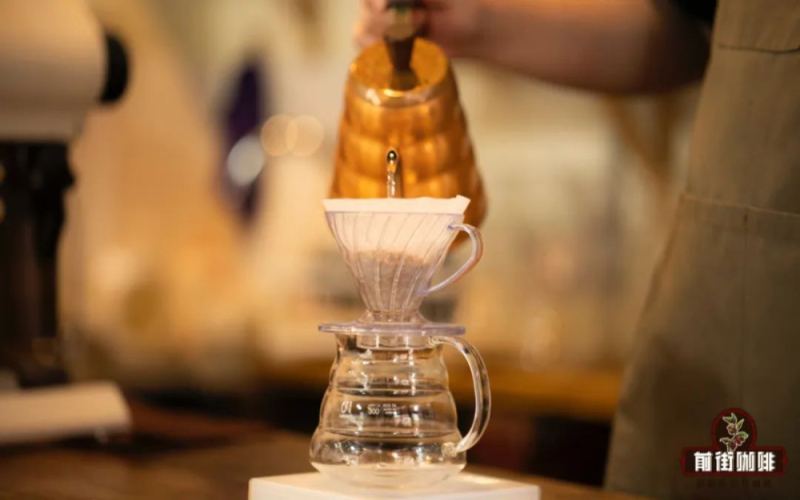
A Complete Analysis of the Pour-Over Coffee Extraction Principle: The Underlying Logic of Grind, Water Temperature, Water Quality, and Coffee-to-Water Ratio
To brew a good pour-over coffee, rather than memorizing various brewing techniques, it's better to first understand the underlying logic behind extraction. All brewing methods are essentially variations of the extraction formula; once you grasp the core principles, even beginners can quickly get the hang of it. This article, from the perspective of Front Street, will guide you through the composition of soluble substances in coffee beans, help you understand the differences in dissolution rates of the sour, sweet, and bitter flavors, clarify the reference significance of the golden cup extraction rate, and break down one by one how the five major variables—water temperature, grind size, coffee-to-water ratio, brewing time, and water flow—interact and jointly determine the final performance of a cup of coffee. [more…]
An In-Depth Analysis of Coffee Extraction: Concentration Measurement, Extraction Yield Conversion, and Calculation Methods for Various Brewing Devices
Coffee extraction is the key step that determines flavor. About 30% of coffee beans consists of soluble substances, including both aromatic components and mouthfeel-related compounds, and a higher extraction yield does not necessarily mean better quality. This article systematically introduces concentration measurement methods (refractometer, conductivity pen, evaporation and drying), explains the extraction yield conversion formula in detail, and provides specific calculation steps for different brewing devices such as immersion, pour-over, and espresso. It also includes the golden cup concentration recommendations from the SCAA and SCAE, as well as relevant product information from the Front Street Coffee brand, to help enthusiasts understand extraction more scientifically. [more…]
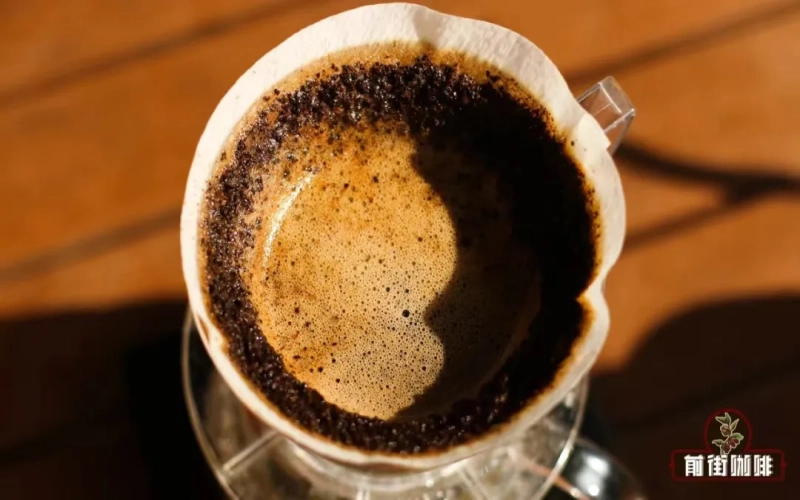
Can Coffee Grounds Be Reused for Repeated Extraction? Why Pour-Over and Drip Bag Coffee Shouldn't Be Brewed Multiple Times
Coffee and tea are both beverages that rely on water to dissolve flavor, so if tea leaves can be steeped repeatedly, can coffee grounds do the same? In terms of composition, about thirty percent of coffee beans is soluble matter, which theoretically does support multiple extractions. In practice, however, the coffee liquid obtained from repeated brewing tends to be thin and carry off-flavors. The reason is that a normal extraction has already released most of the sweet and sour essence, and the remaining substances cannot support good flavor. This article will start from extraction yield and the order in which flavors dissolve to explain why coffee grounds are single-use, and to clarify why pour-over and drip-bag coffee are not recommended for repeated brewing. [more…]
Can Drip Bag Coffee Be Reused for Multiple Brews? Analyzing the Fundamental Differences Between Coffee and Tea Through the Dissolution Characteristics of Chlorogenic Acid
Drip bag coffee, with its convenience and high cost-performance ratio, is attracting more and more people with no coffee-making experience to give it a try. Front Street Coffee's Fruit Dding Ding, Huakui, and Yirgacheffe suit those who prefer floral and acidic notes, while Mandheling, Huilan, and Blue Mountain are better suited to those who pursue a rich, full-bodied taste. However, beginners often run into all kinds of questions in practice, and one frequently mentioned topic is: how many times can a single drip bag actually be brewed? This article will focus on the release patterns of coffee solubles, with emphasis on explaining the role chlorogenic acid plays in extraction, clarifying why coffee, unlike tea leaves, cannot be brewed repeatedly, and why re-extraction after a normal brew is not recommended, helping enthusiasts build a clearer understanding of extraction. [more…]

Coffee Strength | Will Extending Extraction Time Increase the Strength of Espresso? How to Boost Coffee Strength During Brewing?
"Boss, please extract the coffee a bit longer—I want a stronger cup." Front Street Coffee believes this is a scenario many friends working in coffee shops often encounter. Some customers, wanting a more intense cup of coffee, occasionally make this request to the shop. It's not hard to understand, because in most [more…]
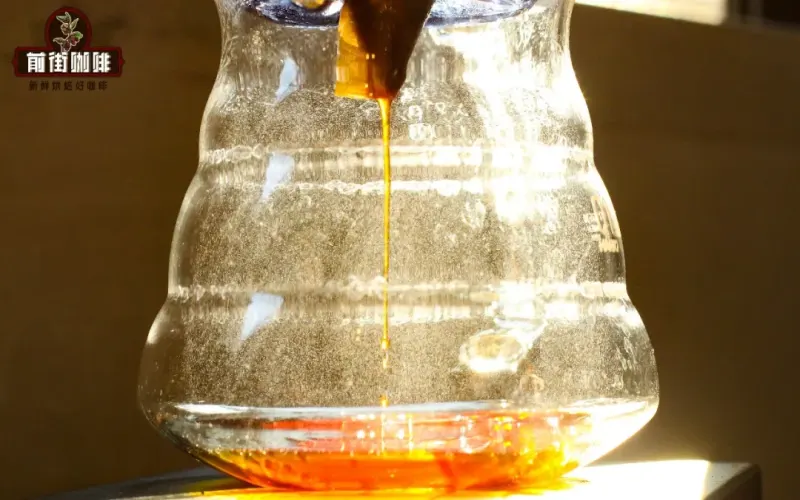
Judging Espresso Extraction by Color Observation: Is It Reliable? Tips for Identifying Under-Extraction and Over-Extraction
During coffee extraction, many enthusiasts try to judge the extraction state by observing changes in the color of the coffee liquid—the so-called "reading the color" method. Does this method have any scientific basis? Can it accurately distinguish between under-extraction and over-extraction? Front Street Coffee, based on practical testing, found that the color of the coffee liquid does indeed become lighter as extraction progresses, because the acidic and sweet substances among the solubles have smaller molecules and dissolve more quickly, while the bitter substances have larger molecules and dissolve more slowly. Once the acidic and sweet substances have largely dissolved, the bitter substances are still being released, and the coffee liquid begins to take on a whitish hue, which is usually regarded as a signal of approaching over-extraction. However, this method is greatly affected by factors such as flow rate and roast level, and is only suitable as an emergency reference; stable output still needs to rely on measuring tools such as an electronic scale. [more…]
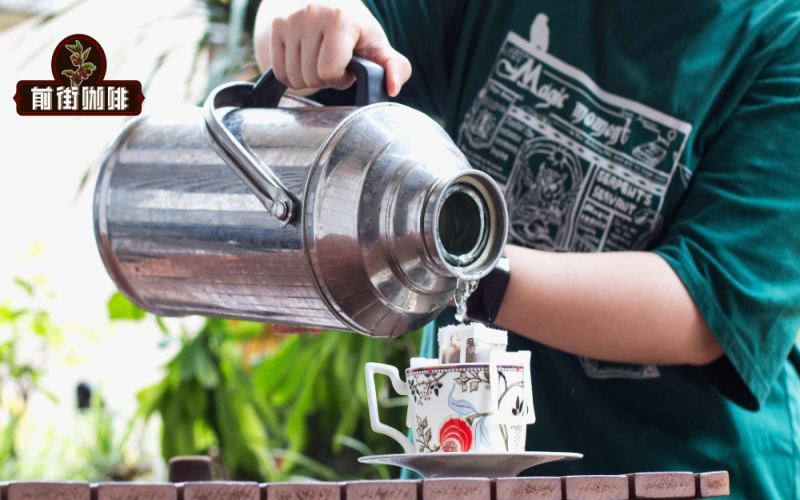
Drip Bag Coffee Brewing: How Many Times Can You Reuse It? Correct Usage and Buying Guide for Blue Mountain, Brazil, Mandheling, and More
Drip bag coffee, with its portability and high cost-effectiveness, is attracting more and more beginners to give it a try. But brewing often brings up a common question: how many times can it actually be brewed? This article starts from the characteristics of coffee solubles and chlorogenic acid, explaining why drip bags are usually recommended for only one brew, and also offers selection suggestions for drip bag flavors such as Front Street Coffee's Huakui, Yirgacheffe, Mandheling, Brazil Cerrado, and Jamaica Blue Mountain, helping enthusiasts avoid under-extraction and off-flavors so they can enjoy a balanced cup of good coffee. [more…]
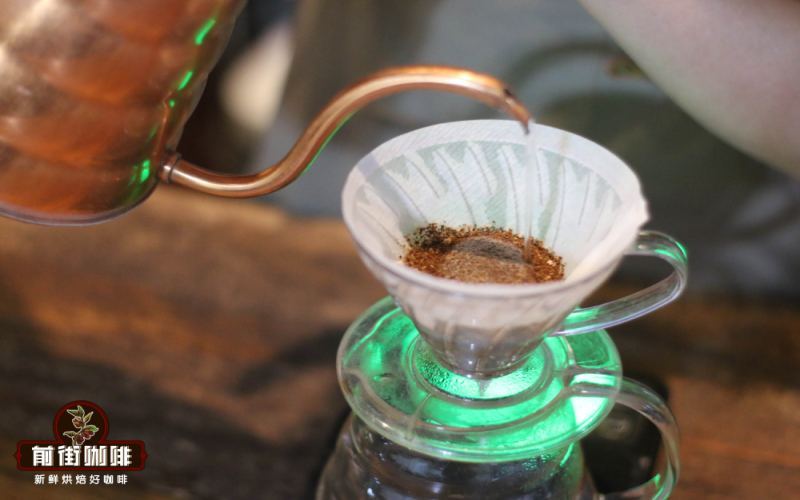
What are the typical signs of over-extraction in pour-over coffee? Cause analysis and methods for adjusting brewing parameters
In the extraction process of pour-over coffee, the degree to which soluble flavor compounds are released directly determines the quality of the final cup. When extraction exceeds a reasonable range, the coffee presents unpleasant flavors such as bitterness and astringency. Starting from the material composition of coffee beans, this article will explain the essential difference between over-extraction and under-extraction, analyze the two main causes of over-extraction—excessively high water temperature and overly fine grinding—and provide specific grinding settings and water temperature recommendations for coffee beans of different roast levels. At the same time, drawing on the brewing experience of Front Street Coffee, it explores the fact that extraction yield values and actual flavor are not absolutely correlated, helping coffee enthusiasts understand and adjust their brewing plans more flexibly. [more…]
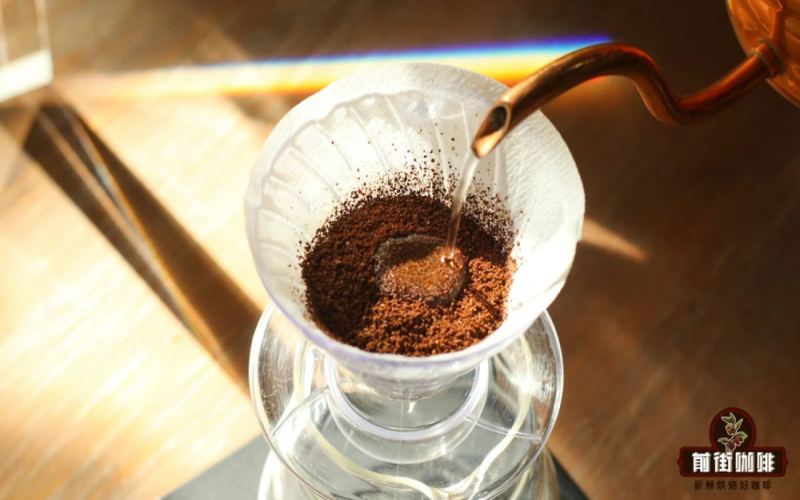
A Detailed Guide to Coffee Extraction Imbalance: Causes, Identification Methods, and Specific Flavor Impacts of Over-Extraction and Under-Extraction
Extraction is the core process behind coffee flavor. Not all soluble compounds in coffee beans are pleasant, and the degree of extraction directly determines what ends up in the cup. Over-extraction releases too many large-molecule substances, bringing bitterness, astringency, and off-flavors; common causes include excessively long contact time, water temperature that is too high, or grinding that is too fine. Under-extraction, by contrast, occurs because flavor compounds are not dissolved sufficiently, resulting in a thin body, prominent bitterness, and imbalance; it is mostly associated with grinding that is too coarse, water temperature that is too low, or a brew ratio that is too high. This article systematically sorts out the definitions, causes, and diagnostic methods for both, and, in combination with specific products under Front Street Coffee such as Mandheling, Queen Estate, Blue Mountain, Huakui, Green Label Geisha, and Kenya Little Tomato, explains reasonable brewing parameters for medium-dark and medium-light roasted beans to help enthusiasts adjust extraction precisely. [more…]
SCA Golden Cup Extraction Standard Explained: How Concentration, Extraction Yield Ranges, and Pour-Over Parameters Affect Flavor
Coffee is a futures commodity with trading volume second only to crude oil worldwide, yet brewing it at home often makes it hard to replicate cafe flavors—the key lies in whether one understands the SCA Golden Cup extraction standards. This article starts from the principles of soluble substances and solid-liquid extraction, explaining the Golden Cup range of TDS concentration 1.15% to 1.35% and extraction yield 18% to 22%, and systematically sorts out the effects of time, grind size, water temperature, and coffee-to-water ratio on flavor. The article also combines Front Street Coffee's brewing comparison using Huakui 5.0 as an example and store parameters to help readers translate abstract standards into operable daily pour-over brewing. [more…]
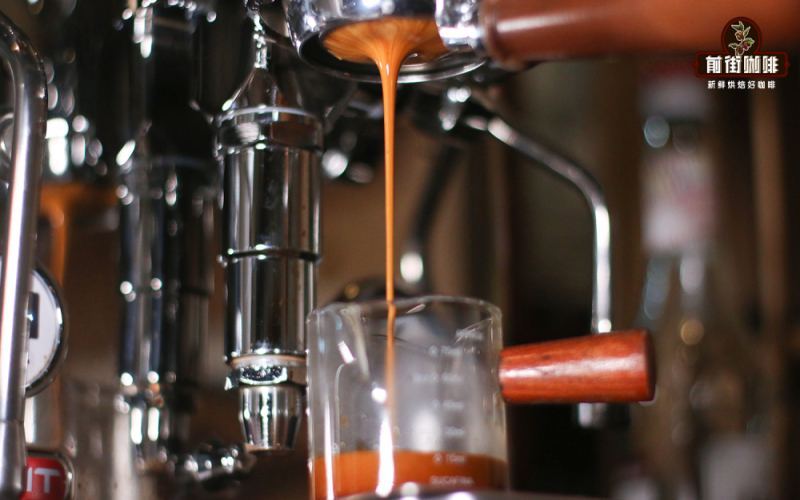
Espresso Extraction Time and Brew Ratio Standards: Why Can't Espresso Grounds Be Reused for Extraction?
To make a standard espresso, variables such as extraction time, coffee-to-water ratio, grind size, flow rate, pressure, and water temperature are all indispensable. Starting from Front Street Coffee's store experience, this article breaks down one by one several key parameters that affect espresso flavor, and explains why espresso grounds cannot be extracted a second time—once soluble aromatic substances have been released to about 22%, continuing to add water will only bring out off-flavor large molecules. In addition, it also summarizes the flavor characteristics of four Front Street espresso blend beans for coffee lovers to choose according to taste preferences. [more…]
The Impact of Extraction Time on Pour-Over and Espresso Flavor and the Release Patterns of Sourness, Sweetness, and Bitterness
Why is coffee extraction time so critical? It all comes down to the soluble flavor compounds that make up just 30% of a coffee bean. These compounds fall into three categories—acids, sugars, and bitter substances—each with a different dissolution rate and peaking at different times. If extraction is too short, the coffee tastes thin and sharply acidic, lacking the support of sweetness and bitterness; if it goes on too long, bitterness overwhelms everything else. Therefore, ending extraction after sweetness has been released in abundance but before bitterness floods in is the key to a balanced cup. For pour-over coffee, using 15 grams of beans as an example, the time is typically kept between 1 minute 50 seconds and 2 minutes 25 seconds. Additionally, acidity, sweetness, and bitterness are not released sequentially but simultaneously—only their peak moments differ. This is a common misconception. [more…]
An Introduction to Pour-Over Coffee Tasting: From Aroma to Mouthfeel, How to Read a Cup of Coffee
Compared to the straightforward expression of espresso, pour-over coffee presents its flavors more subtly, and tasting it requires more patience and method. From the perspective of Front Street, this article systematically sorts out the tasting path for pour-over coffee: from the dry aroma after grinding to the wet aroma during brewing, from the sweet, sour, bitter, and salty tastes brought by water-soluble substances to the flavor identification involving retronasal olfaction, and then to the mouthfeel experience determined by insoluble substances. The article also analyzes the causes of richness and thinness, the sources of astringency, and the influence of roast level on mouthfeel, helping coffee enthusiasts establish a correct tasting framework before identifying specific flavors and find a more efficient way to perceive them. [more…]
What Exactly Does Coffee Extraction Mean? An In-Depth Analysis of Extraction Principles and Eight Key Brewing Parameters
Coffee extraction, simply put, is the process of using water to dissolve the flavorful essence from coffee beans. It seems like something that can be summed up in a single sentence, but behind it lies a whole series of precise variables: extraction yield, total dissolved solids, water quality, grind size, temperature, time, and more. Roasted coffee beans are about 30% soluble, and what we aim for is extracting 18-22% of that—the optimal range. We don't want under-extraction, which leads to sharp acidity and a thin, bland cup, nor over-extraction, which brings bitterness and off-flavors. This article will start from the basic definition of extraction and break down, one by one, the nine core factors that affect extraction, helping you build a systematic framework for understanding brewing so that every cup consistently delivers the ideal flavor. [more…]
Analyzing Chlorogenic Acid in Coffee: Health Benefits, Content Differences, and Scientific Drinking Recommendations
Coffee is not only a refreshing beverage but also rich in various beneficial components. From the perspective of chlorogenic acid, this article systematically reviews the health value of coffee. As a key antioxidant, chlorogenic acid is widely present in green coffee beans and possesses multiple biological activities, including antibacterial, antiviral, and cardiovascular-protective effects. The article provides a detailed introduction to the chemical structure, plant sources, medical applications, and toxicity of chlorogenic acid, and compares changes in chlorogenic acid content across different coffee varieties and roast levels. Finally, based on extraction experimental data, it offers practical advice for daily coffee consumption. Whether you are a coffee enthusiast or a reader concerned with healthy eating, you can gain a scientific and objective understanding of coffee from it. [more…]
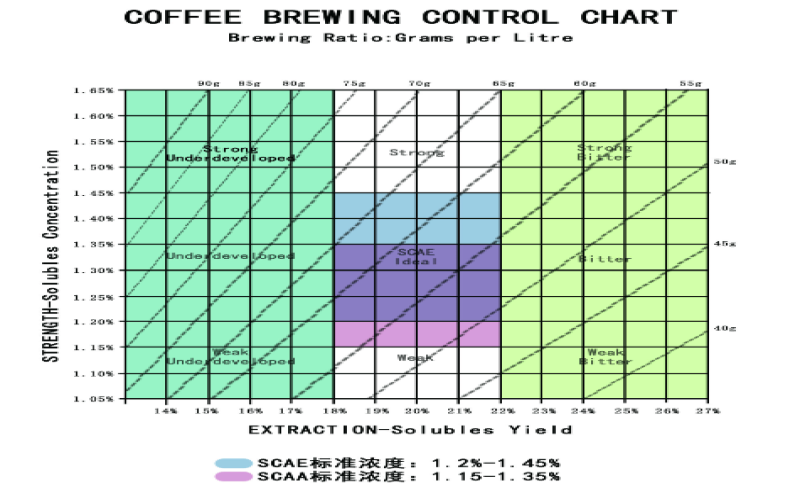
Gold Cup Extraction Standard Explained: Concentration and Extraction Yield Calculation Methods and SCAA Standard Ranges
In coffee brewing, how to balance flavor and avoid under-extraction or over-extraction is a concern for every coffee enthusiast. The Golden Cup standard provides a widely recognized reference framework, covering the ideal ranges for extraction yield and concentration. This article will systematically review the origins of the Golden Cup standard and the specific values set by coffee associations in various countries, explain in detail the formulas for calculating concentration and extraction yield, and, using the example of Front Street Coffee's Ethiopia Florque 4.0 pour-over, demonstrate how to measure and calculate extraction yield with an ExtractMoJo refractometer, helping you find the flavor balance point that suits you in your daily brewing. [more…]